


The Tree of Life: Where do we Come From and Where are we Going?
21 June, 2023
By examining the evolutionary history of living beings, one can identify recurring patterns. By observing our own evolutionary history, we can understand who we are and the direction we have taken.

Evolution for everyone
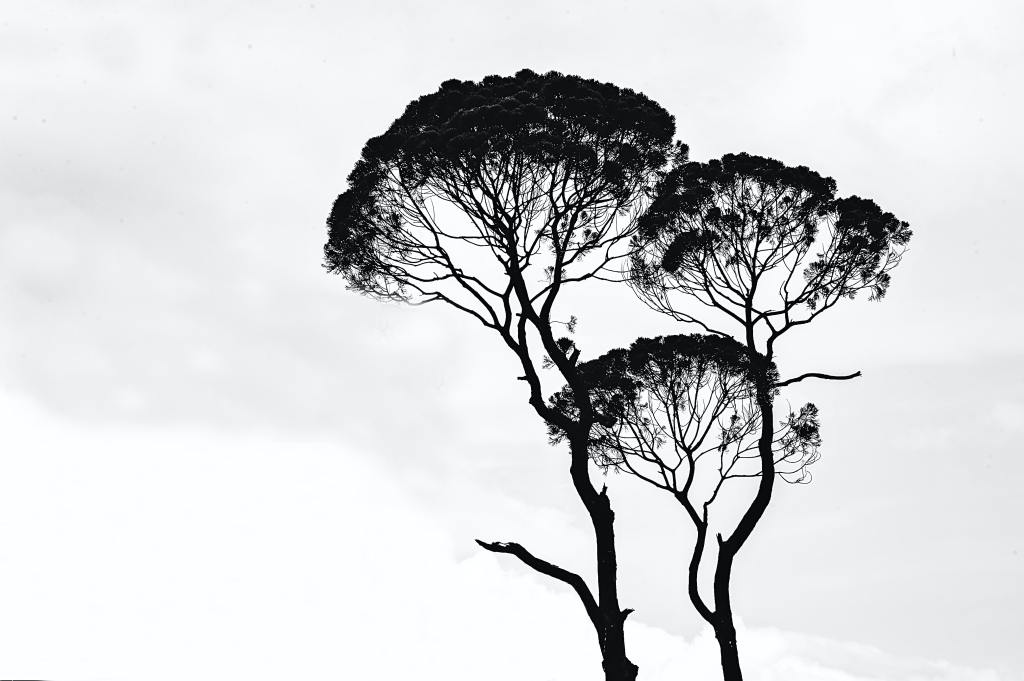
To understand evolution, let’s imagine living beings as the leaves of a tree. In the beginning, the tree was just a sprout, but thanks to its tenacity, it now stands on a large trunk from which smaller branches branch out, and those branches, in turn, branch out into many smaller twigs, until they reach the leaves.
Fresh leaves are like the living beings present today, while fallen leaves are like the extinct ones. Trunks and branches represent the evolutionary path of every living being. Once, the fallen leaves were attached to the tree, but the branches were shorter.
In essence, Where are we?
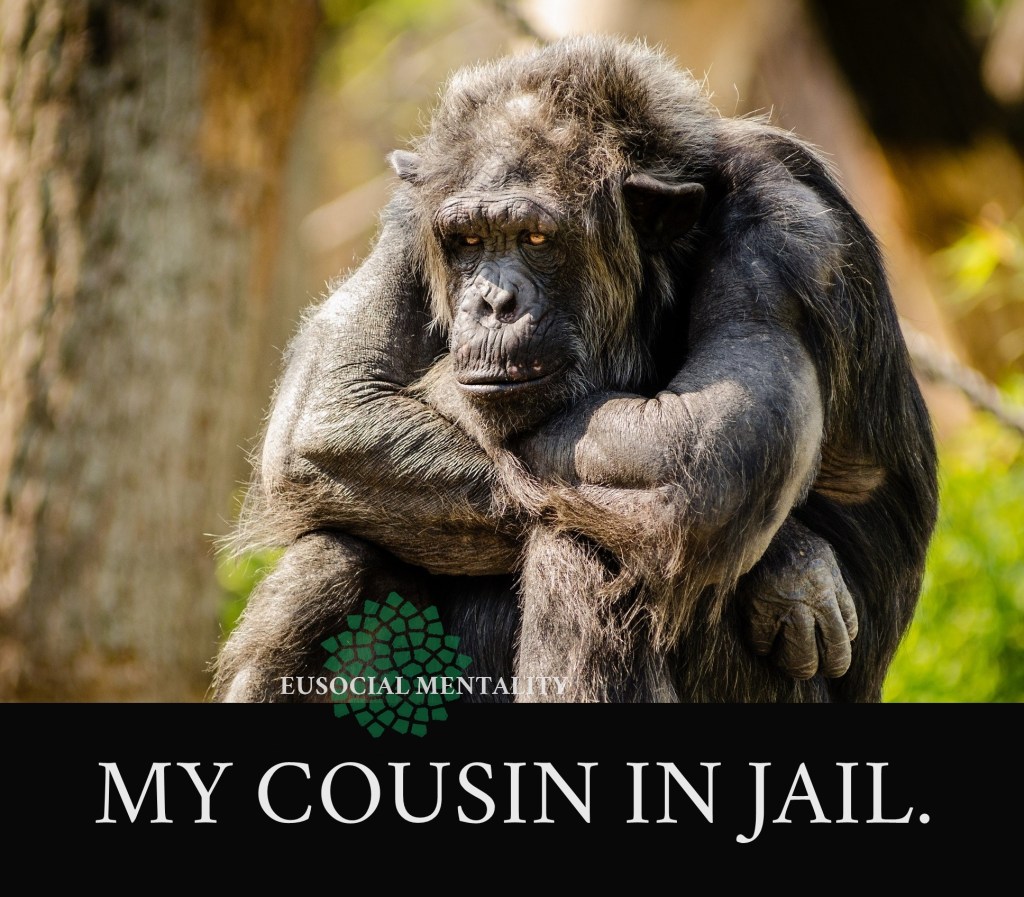
Humans are leaves of the “primates” (monkeys) branch. A branch with several offshoots. Our branch is located in the offshoot of “hominids,” where you can also find, from the furthest to the closest, orangutans, gorillas, chimpanzees, and bonobos.
The oldest human remains ever found date back to approximately 300,000 years ago. For about 290,000 years, we all lived in small family groups, hunting and gathering what Nature provided. Then, around 10,000 years ago, the first civilizations emerged. People began living in much larger groups, cooperating and dividing tasks. They invented agriculture and animal husbandry, which led to the expansion of their societies on a large scale.
But, do you know which is the most populous society known to date? It is the South European supercolony of the Argentine ant (Linepithema humile), consisting of billions and billions of individuals that all cooperate with each other.
And, actually, we are not truly the inventors of agriculture and animal husbandry. Many eusocial insects have been raising other small insects and cultivating fungi or plants long before the primate branch even existed.
Convergent evolution
In a tree, each leaf is slightly different, but they all develop following the same “instructions,” the same pattern. Something similar occurs in the tree of living beings.
Now, in the case of living beings, the tree is much larger, and the “leaves” are much more numerous, as are the branches. However, it often happens that two or more species (branches) exhibit very similar characteristics and ways of life, even though they do not belong to the same offshoot or trunk.
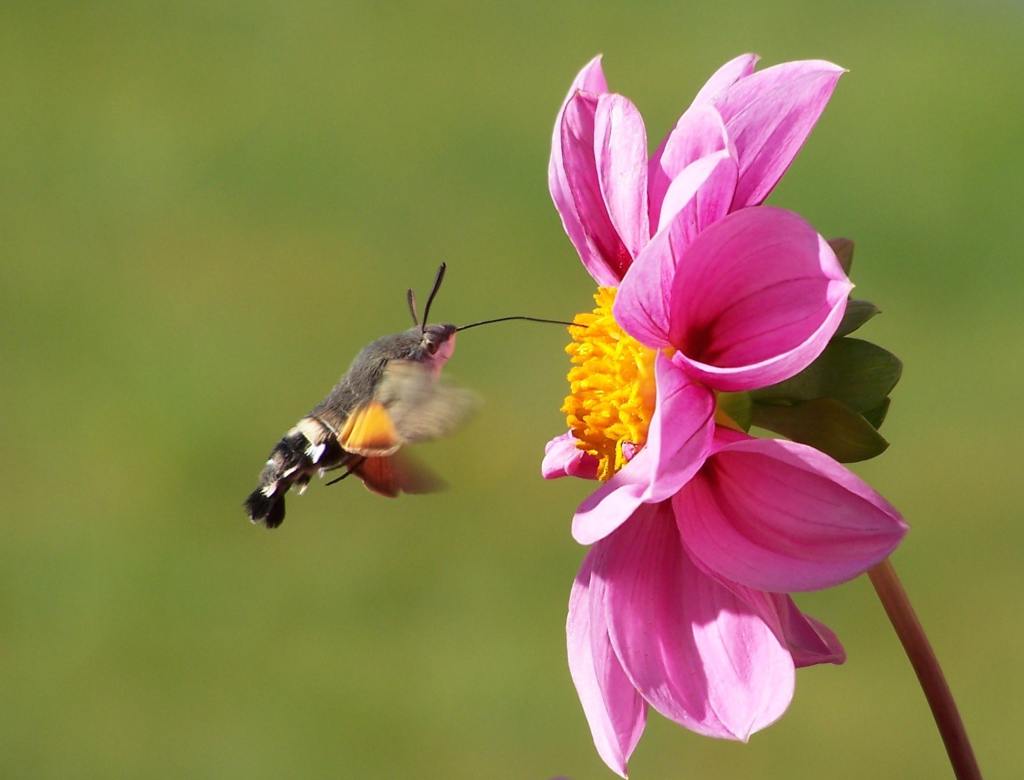
Let’s take, for example, cetaceans, which resemble fishes; or wings and the ability to fly, which first developed in the trunk of insects and after approximately 120 million years also in vertebrates, in the fallen branch of pterosaurs, then in birds, and finally in bats. This phenomenon is called “convergent evolution“.
Eusociality
Eusociality (from Greek εὖ eu, meaning “good”, and social) is the highest level of social organization achieved by certain animal species.
Eusociality appears to have first emerged approximately 120 million years ago in the branch of termites, and soon after in the offshoots of ants, bees, and wasps.
Like us modern humans, eusocial animals live in societies consisting of sometimes tens or hundreds of millions of individuals. They build massive settlements with complex infrastructure and are capable of significantly modifying their environment. However, unlike us, they modify it for the better (just think of bees).
In eusocial colonies, there are no leaders. The “queen” produces eggs; she doesn’t give orders. Each individual is self-organized and does what they do best, following a priority order established through communication with other members of the colony.
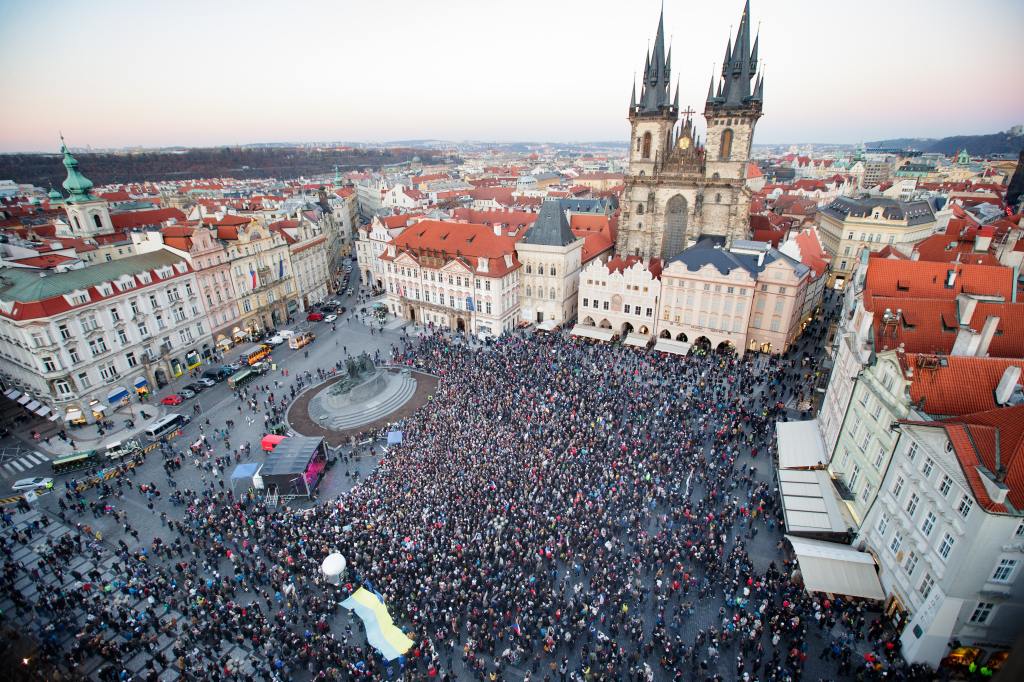
We humans have many things in common with eusocial insects, but our eusociality is just beginning to sprout. Even today, we retain a pack or tribal mentality, with dominance hierarchies where subordinates follow the orders of the alpha leader and grant them all the privileges. In Nature, there is only one type of social organization that can work for so many individuals: eusociality.
Well, so what then?
Judging from the observations collected in this article, it seems that our entire history has brought us here to take this evolutionary step: transforming our society from tribal to eusocial.
We are currently caught in the middle; it is not possible to maintain a pack mentality in such densely populated societies, and (spoiler) that is precisely why many people strive to eliminate others!

 Eusocial Mentality